Ducted evaporative cooling: a buyer’s guide for Australian roofs
A rooftop unit, a wet pad, a fan, ceiling vents and a water point: the Australian whole-house cooler is a building decision as much as an appliance purchase.
Published 2 December 2024
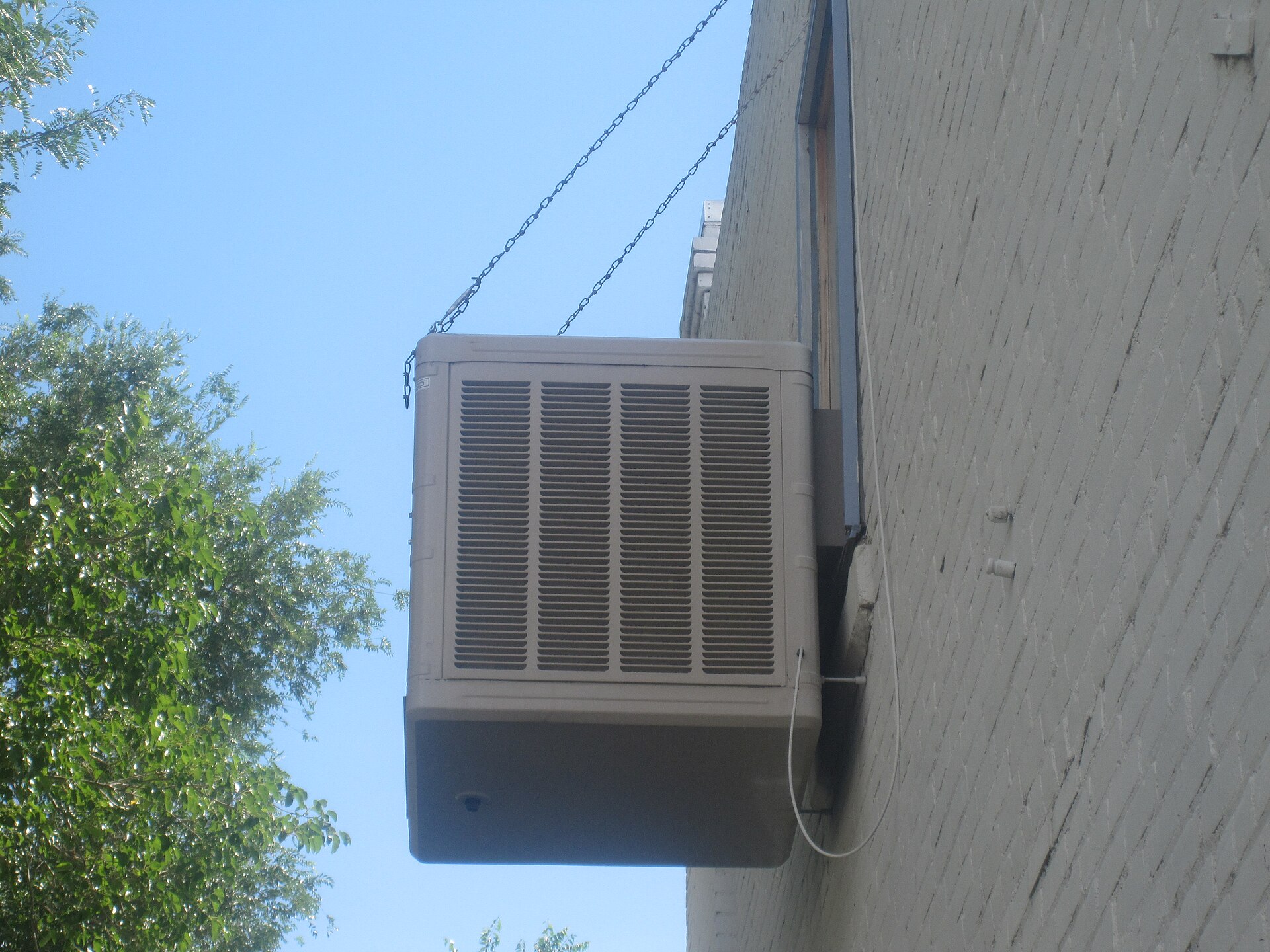
Ducted evaporative cooling is the Australian whole-house version of a very old idea. A box on the roof wets a set of pads, a fan pushes that air into ducts in the ceiling space, and ceiling vents drop it into rooms that are allowed to exhaust through open windows. It is not a portable on wheels and it is not a wall box for one room. It is closer to adding an organ to the house: water, structure, weatherproofing, and a habit of leaving the windows open.
If you are buying one, buy it as a building job. The cabinet is the visible part. The failure modes live in the stand, the ducts, the water, and the bit where someone drilled the lid of the house.
The roof unit
The unit is a galvanised or polymer cabinet with pads on one or more faces, a sump, a circulating pump, a fan, and a lid that will spend its life in hail, ultraviolet light and leaf litter. It sits on a stand so that it is not using the roof sheeting as a wet floor, and so that air can actually reach the pads. A unit jammed hard on hot tiles with no breathing space is already compromised.
Water arrives from a mains tap or, less often, a tank with a pump and some honesty about pressure. A solenoid or float valve keeps the sump at a working level. A bleed or dump arrangement sends a fraction of the water away so the sump does not become a mineral lick. Overflows should go somewhere you would not mind seeing water — a gutter, a drain, not the ceiling rose over the dining table.
The fan is the reason the neighbours sometimes know you have one. Centrifugal fans in these cabinets are not silent. They can be acceptable. They cannot be inaudible. Placement matters: a unit over a bedroom is a different social contract to a unit over a garage. Ask where it will sit before you fall in love with a brochure photograph of a tidy lid.
Australian household brands you will keep seeing include Bonaire, Braemar (Seeley International) and Climate Technologies. Treat those names as the market you are walking into, not as a scoreboard. Pads, water quality and duct design will decide whether any of them feel like a good machine in February.
Ducts in a hot roof space
The air leaves the unit cooler than the roof space it must travel through. Ducts that are uninsulated, crushed, leaking at every join, or laid with more bends than a goat track will hand that cooler air back to the ceiling cavity. You have paid water and power to condition air for the tiles.
Flexible duct is common because it is fast to run. It is also easy to kink over a truss, tear on a nail, and leave lying against a metal roof sheet. Rigid or well-supported, insulated duct with a thought-out layout is the unglamorous part of a good job. If the quote does not mention duct insulation, or shows a single trunk dropping unplanned spurs, ask to see the drawing.
Leaks are not a small efficiency loss. They humidify the roof space and dump dust into the rooms. They are also how a house gets a mysterious damp smell that nobody connects to the cooler until a technician pulls a ceiling panel. Keep the run short. A unit in the centre of the house with balanced branches beats a unit at one gable feeding a forty-metre marathon to the rumpus room.
Ceiling vents
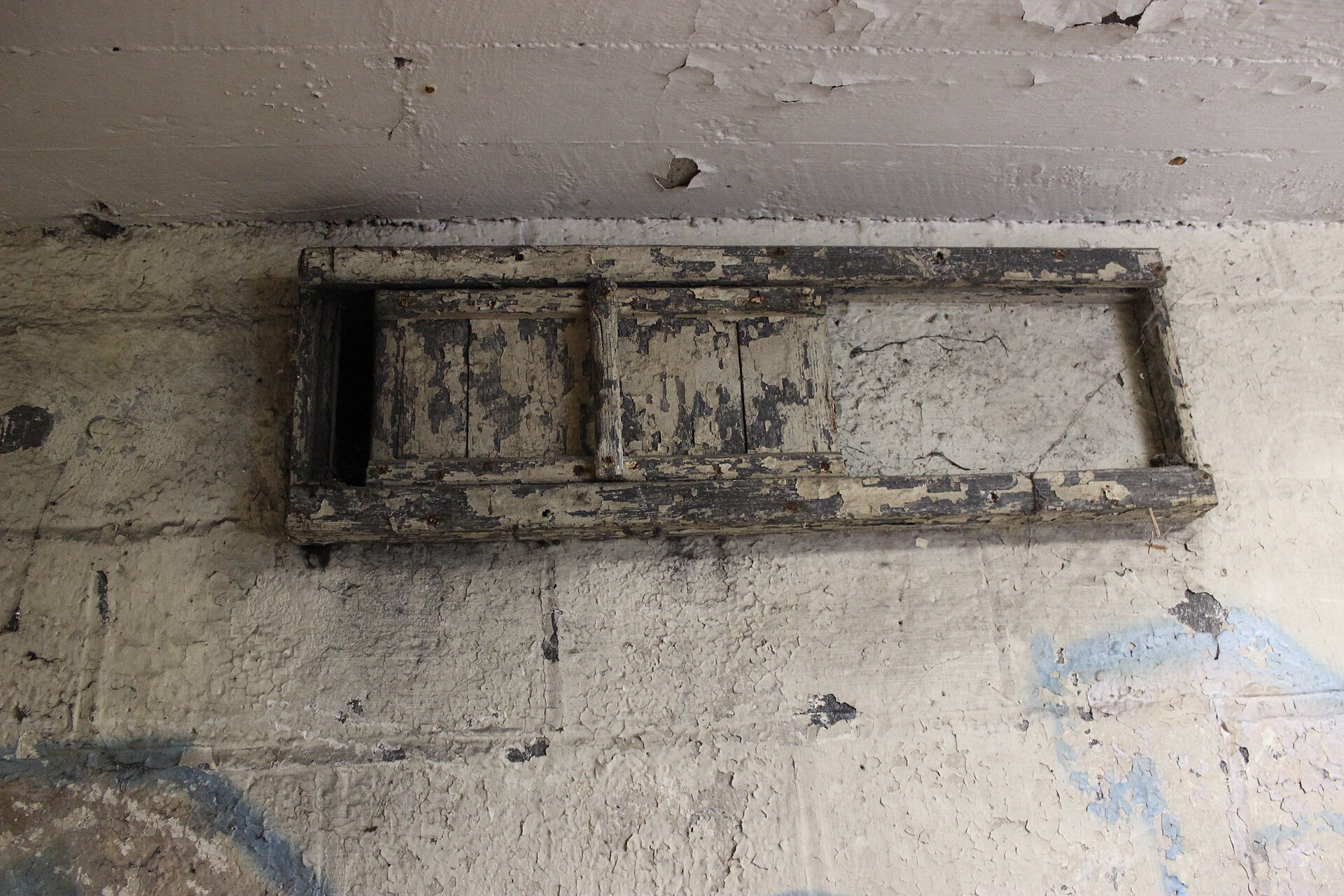
Vents are not decoration. Their size, number and location decide whether air actually arrives in the occupied rooms. A pretty grille in the hallway that dumps most of the airflow into a space nobody sits in is a classic cheap layout. Bedrooms with no vent and a living area with three is a lifestyle choice you should make on purpose.
Adjustable vents help you tune a house that is not a perfect rectangle. They do not replace a sensible original layout. In winter they should close, properly, so the rooftop penetration stops being a chimney in reverse. If the louvres do not seal, you will heat the sky in July.
Noise at the vent is often a velocity problem: too much air through too small an opening, or a sharp bend immediately behind the grille. It can also be a fan problem. Stand in the room during a demonstration run, not in the driveway looking at the lid.
Water connection, drain, and bleed-off
You need a water point the plumber is willing to sign, a backflow arrangement that satisfies local rules, and a drain path that will still exist when leaves block a gutter in April. “We’ll just let the bleed drip on the roof” is how tiles get a stain and a neighbour gets a hobby.
Bleed-off is not optional chemistry. Hard water plus evaporation is a scale engine. Older systems often dump 11 to 20 litres an hour; newer control can be around 3. Water Corporation’s picture of a bucket half full in thirty minutes is about 11 litres an hour. If nobody can tell you how bleed is set, assume it is either wasting a creek or protecting nothing.
Consumption of the evaporated water itself is the larger, climate-shaped number. NSW Planning has put a typical band around 10 to 30 litres an hour. Perth’s Water Corporation has talked about around 100 litres an hour on a hot day and about 30,000 litres a year at six hours a day for fifty days. CHOICE, citing a 2009 study, reported 41 to 70 litres an hour in Hobart-type conditions and 67 to 116 in Adelaide. Your quote should not pretend water is free. Running costs are electricity and water together.
If you are on tank water, say so early. A rooftop cooler can empty a small tank faster than kitchen-and-shower maths expects.
Covers, winter, and the hole in the roof
An uncovered ducted cooler in winter is a ventilated lid on the house. Cold air drops through the ducts; warm air leaves; the pads sit damp and unused. A winter cover — fitted, not a tarp and four bricks — and closed ceiling vents are part of owning the system, not an optional accessory for the tidy-minded.
Covers that trap moisture against pads can also rot them. Follow the manufacturer’s idea of a cover, which usually means the fan openings are blocked against draughts without turning the cabinet into a closed compost bin. If the installer does not offer a cover, add one to the quote yourself.
Pre-summer, the cover comes off, pads are inspected or replaced, the pump is tested, the dump is checked, and the roof penetration is looked at before the first forty-degree afternoon. Maintenance is not a separate hobby. It is how a roof unit remains a cooler rather than a birdbath.
Quotes, and the things people forget to put in them
Ask for a written layout: unit position, stand type, flashing, duct routes, vent locations, controller type, water and drain, electrical circuit, old-unit removal, rubbish, roof repairs, and a cover. Ask what airflow the unit is supposed to deliver to this house, not what it delivered to a showroom.
Older controllers are often a pump switch and fan speeds with no useful thermostat. The machine runs until a person switches it off. If you want automatic behaviour, say so, and ask what sensor is actually measuring — a hallway wall can lie about a west-facing lounge. Do not assume a “smart” controller understands humidity well enough to save you from a muggy day. You still have to know when to kill the water.
Permits and electrical work are local. So is a roof space full of insulation bats and old wiring that will double the labour. A cheap supply price with “installation extra, TBC” is how households get a surprise that costs more than the cabinet. Get the installer onto the roof before you sign.
Structural load
A cooler full of water is heavy. The stand should spread that load onto structure, not onto the middle of a tired tile. Roof pitch, sheet type, tile fragility, and the location of trusses are why this is not a two-person afternoon with a ute and optimism.
Water sitting where it should not is another load: stained ceilings, rusted screws, rotten timber at the penetration. Drip trays, correct overflow, and flashing that belongs to this roof profile are cheaper than a plasterer in March.
If the house is old, assume nothing. If the house is new, assume the builder left you a penetration detail that may or may not match the cooler you are about to buy. In both cases, the person who waterproofs the hole should be identifiable on the invoice.
Ducted evaporative cooling remains a good machine for a dry Australian climate and a house that will be lived in with open windows. It is a poor impulse purchase. The physics is simple. The roof is not. Buy the roof job, live with the windows, and keep the pads in the condition you would demand of a coil — because in this system, they are the coil.
Frequently asked
- How do I size a ducted evaporative cooler for my house?
- Start with a measured floor plan, ceiling heights, roof colour, insulation and the local climate, not a square-metre rule on a brochure. Airflow in litres per second has to match the house you have, including the fact that windows will be open. Ask the installer to show the duty, not just the cabinet model.
- Does a rooftop evaporative cooler damage the roof?
- A properly stood, flashed and drained unit on a roof that can take the wet weight should not. A unit dropped onto old tiles with no stand, no drip tray thought, and no one checking the penetration is a leak waiting for the first winter. Structural load is part of the quote, not an afterthought on the ladder.
- What should a written quote include?
- The unit, stand, flashing, ducts, vents, water connection, drain or bleed path, controller, electrical work, removal of any old unit, a winter cover, and who is responsible for roof repairs if the job creates them. A price for "supply and install" with no duct layout is not a quote. It is a hope.
More from Systems

Systems · 17 February 2025
What to look for when buying an evaporative cooler
A useful quote names airflow, water management, pad type and who will service the roof. Brand names describe the Australian market; they are not a ranking.
Systems · 3 February 2025
How to size an evaporative cooler for an Australian house
Floor area is a starting guess, not a size. Airflow, ceiling height, insulation and leaky ducts decide whether a rooftop unit can actually cool the rooms you live in.
Systems · 20 January 2025
Commercial evaporative cooling for sheds, warehouses and workplaces
High-volume sheds and warehouses can still be cooled with wet pads if the air can leave, the pads are serviced, and heat is treated as an OH&S problem rather than a comfort extra.