How to winterise a ducted evaporative cooler
An uncovered rooftop cooler is a hole in the roof. Covers, closed ceiling vents and a drained tank stop the house leaking heat all July, and they decide how the unit starts in spring.
Published 23 June 2025 · Updated 3 February 2026

A ducted evaporative cooler is an opening in the roof that happens to contain a fan. In summer that is the point: outdoor air, wet pads, a house that breathes. In winter the same opening is a chimney in reverse. Cold air drops through the cabinet, along the ducts, and out of the ceiling vents into rooms you are paying to heat. Households that leave the unit naked from April to October are not being hardy. They are heating the sky.
Winterising is a short job with a long effect. Cover the rooftop unit. Close the ceiling vents. Drain or isolate the water so the tank is not a frozen or stagnant pond. Leave the system off. None of this is exotic. All of it is easier in autumn than in a July southerly on a wet roof.
The heat-loss problem, without mysticism
Warm indoor air wants to rise. In a house with a hole at the ridge, it leaves, and cold air takes its place through the same path or through whatever other leak is handy. An uncovered cooler is a large, purpose-built leak. The pads, even dry, are not an insulator. The fan orifice is an open throat. Ducts in an unconditioned roof space then become cold chimneys aimed at the bedrooms.
You will feel it as a draught at the vent, a room that will not come up to temperature, and a heater that runs longer than the day outside can explain. Insulation in the ceiling does not fix a hole you have left on purpose. How evaporative cooling works in summer depends on that hole. Winter comfort depends on closing it.
The Australian habit of treating the cooler as furniture that lives on the roof year-round is how this gets missed. Reverse-cycle systems shut a flap and sit sealed. Evaporative cabinets do not, unless you give them a cover and shut the vents below. Older units are especially blunt about it. They have no useful thermostat in summer and no automatic winter damper either. The household is the control.
Covers that actually cover
A winter cover should fit the cabinet, shed water, and stay on in wind. A tarpaulin lashed with leftover rope will do for a week and then become a sail. Manufacturers sell fitted covers for the common Australian boxes — Bonaire, Braemar from Seeley International, Climate Technologies and the rest of the suburban fleet. A cover that leaves the air inlet open is a rain hat, not a seal.
Fit it after the last hot spell you still want to use, once the tank has been drained or the water isolated. Do not trap a full pond under a dark plastic lid for four months. Stagnant water in a closed box is a smell, a mosquito problem, and a nasty surprise for whoever opens it in September. Drain, wipe obvious sludge if you can do so safely, then cover.
Check the cover after the first serious wind. A cover that has walked off the unit is worse than no cover, because it now blocks a gutter or flaps against the corrugated roof at 2 a.m. Tie-downs and straps are part of the product, not optional sports equipment.
Closed ceiling vents
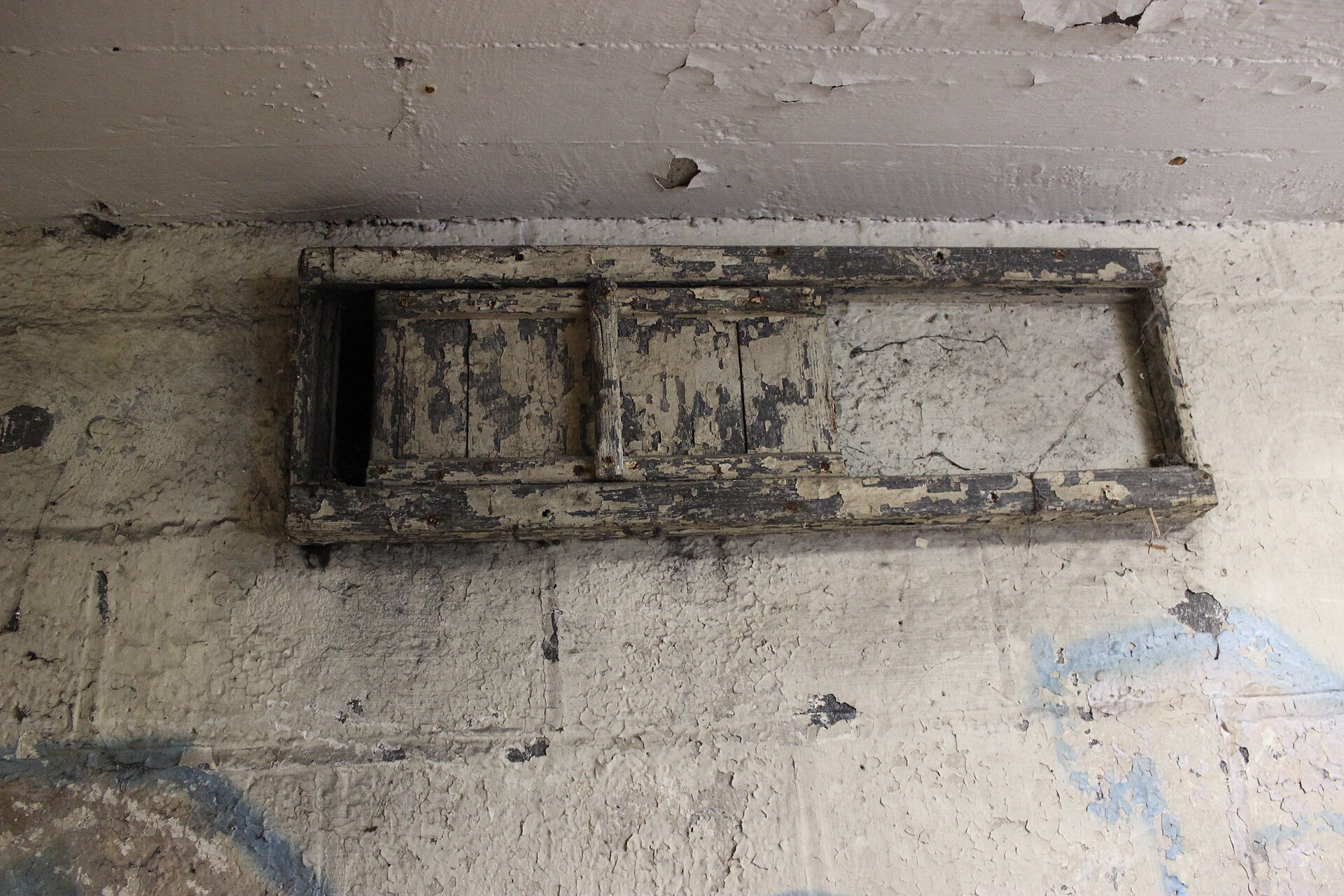
The vents in the rooms are the other half of the seal. Most domestic diffusers can be shut. Shut them. If a vent will not close, or the damper has been painted open since 1998, that is a small hardware job, not a reason to heat the roof space all winter.
Closed vents also stop the reverse flow that makes some rooms smell of the cabinet in July — dry dust, old pad, whatever has been sitting in the ducts. You do not want that air dropping onto a bed. You also do not want the winter heater pushing warm air up into the duct network through an open diffuser, which is a less common but equally silly way to lose heat.
Mark which vents belong to the cooler if the house also has gas heating outlets or a separate refrigerated system. Closing the wrong grille is a classic autumn own-goal. If the household has changed since the unit was installed, a ten-minute walk through the house with the cooler fan on (water off, autumn afternoon) will show you which faces blow.
Water, pads and the idle months
Isolate the water supply to the unit. A float valve that weeps all winter is a quiet leak on the roof and a damp pad that never dries. In cold inland districts, standing water can freeze in the pump and crack a housing. Drain the tank if the climate warrants it. Even in Perth or Adelaide, where frost is a weaker argument, stagnant water is still a reason to drain.
Pads can stay in place if they are clean and the cabinet is dry and covered. Pads that are already sour should come out now, not in spring, so they are not composting in the dark. Replacing cooler pads is often a spring task; condemned pads do not become less condemned by sitting under a cover. If you drop new pads in autumn and leave them dry, they will be waiting. If you drop new pads onto a wet, undrained tank, you have just given them a winter to grow interesting biology.
Do not run the cooler as a "fresh air" system through winter because a cousin in a milder climate does it on July afternoons. Outdoor air in a southern winter is cold. Pulling it through the house with a fan is an expensive way to undo the heater. Fan-only belongs to humid summer days, not to midwinter curiosity.
When to uncover in spring
Uncover after the last regular cold snap, and before the first dry heat you actually intend to cool. That window is a month in some districts and a weekend in others. The mistake is leaving the cover on until the first 38-degree day, then discovering the pump is seized, the pads are glued to the frame, and the bleed hose is a nest.
Make uncovering the start of the pre-summer service, not a separate mood. Off with the cover. Look at the tank, pump, pads and bleed. Run water on a mild morning. Confirm the vents open again. Confirm the fan does not sound like a washing machine full of gravel. Then, and only then, is the machine a cooler again.
Spring also resets the water conversation. Bleed rates of 11 to 20 litres an hour on older systems, or around 3 litres an hour on some newer ones, only matter once the unit is running. A winter of zero use is the cheap season. The running costs in electricity and water start again when the cover comes off. Do not waste the idle months by leaving a leaky inlet live.
Bushfire smoke in spring, where it happens, is still a reason to keep the system off even after you have uncovered it. The cabinet is an outdoor-air intake. Uncovering is not an obligation to run.
A winterised cooler is a closed hole with a dry tank and a note on the calendar to open it properly. That is the whole autumn job. The households that skip it are the ones standing on a roof in the first heat, holding a stiff pad, wondering why July felt draughty and November feels warm.
Frequently asked
- Why do I need to cover a rooftop evaporative cooler in winter?
- Without a cover, cold air falls through the cabinet and ducts into the house. You are heating a building with a hole in the roof. A fitted cover and closed ceiling vents stop that stack effect.
- When should I uncover the cooler in spring?
- After the last regular cold snap, and before the first dry heat you actually want to cool. Uncover, service pads and pump, then run water on a mild day so you are not commissioning the unit in a heatwave.
- Should I close the ceiling vents as well as covering the unit?
- Yes. The cover stops weather and downdraught at the roof. The vents stop residual leakage into rooms. Leaving vents open with a poor cover still chills bedrooms in July.
More from Care
Care · 4 August 2025
When and how to replace evaporative cooler pads
Pads do the cooling. Scale, dry streaks and a sour smell tell you they are finished long before the cabinet looks tired.

Care · 21 July 2025
Water quality, scale and bleed-off rates
Bleed-off exists to stop the tank turning into brine. The difference between 11 to 20 litres an hour, 3 litres an hour, and a hose that fills a bucket like a tap is the difference between clean pads and a wasted meter.
Care · 7 July 2025
Troubleshooting a weak, noisy or leaking evaporative cooler
Most rooftop failures are ordinary: dry pads, a blocked filter, a dying pump, a fan out of balance, a tank that overflows, or a musty smell from a cabinet that sat wet all winter.