Evaporative cooling in Queensland: dry inland versus the coast
Longreach, Roma and Toowoomba can still justify a wet-pad cooler. Brisbane, Cairns and the wet-season coast generally cannot.
Published 12 May 2025 · Updated 3 February 2026
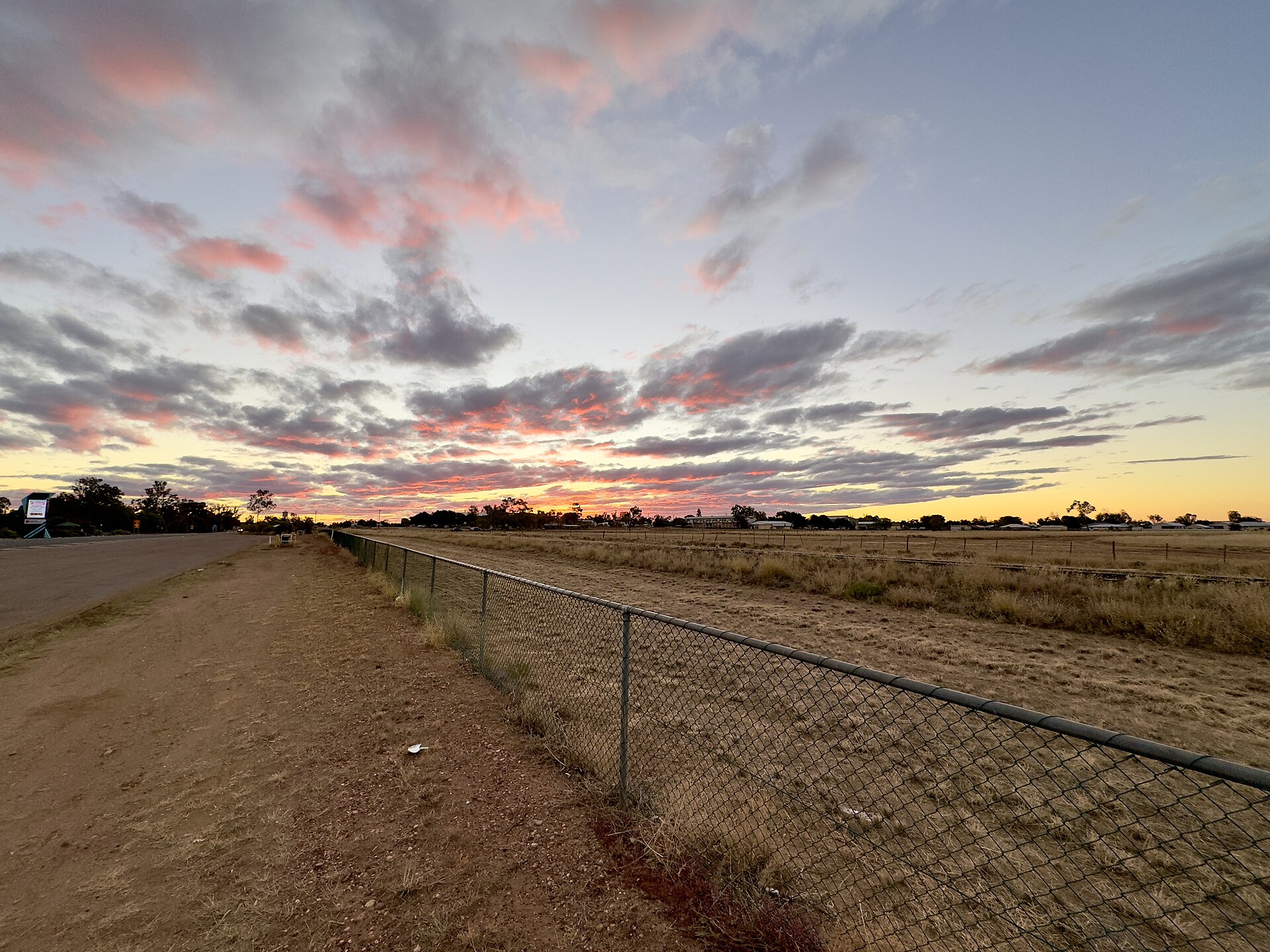
Queensland is two cooling climates sharing one border. West of the Divide, summer is often a dry furnace. On the coast it is a wet blanket, and in the far north that blanket has a monsoon behind it. An evaporative cooler is a machine for the first of those climates. Used on the second, it humidifies rooms that were already humid and leaves the household wondering why the pads are wet and the people are not cool.
The mechanism does not change with the postcode. Outdoor air is drawn through wet pads, evaporation absorbs heat, and the moistened air has to leave the house through open windows or doors. That is the whole of how evaporative cooling works. What changes is the wet-bulb temperature of the air arriving at the pads. Longreach in October can offer a wet-bulb low enough for a real drop. Cairns in February usually cannot.
Longreach and the dry west
Longreach is the inland case that coastal Queenslanders forget exists. The air is dry. The heat is serious. Nights can still fall away from the afternoon peak. A ducted cooler on a roof, running into a house that is allowed to exhaust, will take the edge off a 40-degree day in a way a ceiling fan alone will not. The comparison that matters is not Brisbane. It is Perth, or the South Australian interior: places where the outdoor air is thirsty.
Water is the political object. Western towns do not treat mains supply as an infinite suburban right. A unit that evaporates tens of litres an hour, then bleeds more to keep the tank from turning into brine, will be noticed. NSW Planning's 10 to 30 litres an hour is a New South Wales figure, but the shape of the problem is the same: evaporation plus bleed, more on a dry scorcher, less when the air is already holding water. Count the electricity and water together. Electricity is the cheap part of a wet-pad system. Water may not be, especially if the bleed is set like a leaking tap.
Dust and insects load pads faster than a brochure from a temperate capital admits. Western Queensland air is not filtered by a thousand kilometres of suburb. A pre-summer service is not optional theatre. If the pads are glazed with scale or the pump is sucking air, the climate can be perfect and the house will still be hot.
Roma, the western downs and the dry inland towns
Roma, Charleville, Emerald and the other inland centres sit on a gradient rather than a single climate. Some summers are classic dry heat. Some are broken by storms that spike humidity for an afternoon and then leave. The cooler is still a reasonable whole-house tool if the household treats it as weather equipment. Wet pads while the air is dry. Fan-only when a storm cell has soaked the afternoon. Off when the wet season, such as it is this far inland, makes the air thick.
These towns already know reverse-cycle air conditioning. Many houses have both, or have replaced an old rooftop unit with splits because a humid February made the pads feel pointless. That replacement is sometimes right. It is not always right. A dry October, November and much of December in the inland can still be evaporative weather. Throwing the machine out because March was muggy is like selling the rainwater tank because it did not rain in August.
The honest test is a week of running with windows open, pads clean, and the water on only while the outdoor air feels dry on the skin. If the house comes down and the rooms do not go clammy, the climate is still on your side. If the indoor air goes heavy within an hour, the wet-bulb has won and you should kill the pump.
Toowoomba and the Darling Downs
Toowoomba is the in-between city, high enough to knock the worst off coastal humidity, close enough to the downs that summer still throws hot, relatively dry days. It is not Longreach. It is also not Brisbane. A rooftop cooler can work here more often than a southeast-Queensland real estate listing would suggest, particularly in a house that can open to the west and south and is not boxed in by a sealed renovation.
Elevation helps. So does the fact that many Toowoomba days still have a useful depression between dry-bulb and wet-bulb. The days that do not — a humid easterly, a storm sitting over the range, an autumn that has forgotten to dry out — are fan-only days. Older coolers will not make that decision for you. They have no useful thermostat. They run until a person switches them off.
Pad condition matters more on the downs than people expect, because the air can look clean and still carry agricultural dust and hard water. Replacing cooler pads on a one-to-three-year cycle is common in hard-water districts; a well-bled, cleaner supply can stretch that if the pads stay evenly wet and free of scale. Smell the cabinet at the start of the season. Musty pads are a health problem, not a rustic charm.
Brisbane, the southeast coast and why the pads fail
Brisbane's summer is humid. The wet-bulb sits high. Evaporation from a pad cannot pull much energy out of air that is already holding a load of water. You can still blow that air through a house, and a fan has value, but the water circuit is then a humidifier. In a sealed modern box with the windows shut against traffic and security screens, the result is indoor weather nobody asked for: warmer than a reverse-cycle room, damper than the verandah, and a bill for water you did not need to evaporate.
A Queenslander with wide openings is a better exhaust path than a brick veneer with the air locked in, but it does not repeal the wet-bulb. If the outdoor air will not take more moisture, the pads are scenery. Portable coolers, which might take the edge off a 25 square metre room in dry inland weather, are a poor substitute for a split system in a closed Brisbane lounge. Wall and window machines in the 30 to 50 square metre class have the same climate problem. Ducted evaporative cooling as a whole-house answer for coastal southeast Queensland is, on most January afternoons, the wrong machine.
Cairns, the wet tropics and the monsoon
Cairns and the wet tropical coast are the hard no. The wet season loads the air with moisture for months. Monsoonal humidity is not a brief storm front you can wait out with the fan. It is the operating condition of the climate. An evaporative cooler in that air is an outdoor-air pump with a damp filter. It will not cool like refrigeration. It will raise indoor moisture in a region that already fights mould.
There are drier weeks in the winter dry season when a fan pulling outdoor air has some comfort value. That is not an argument for installing ducted evaporative cooling. It is an argument for opening the house. Refrigerated air conditioning exists for this coast. Using a wet-pad machine here because it was cheaper to buy is a category error that shows up every afternoon the monsoon is in.
Bushfire smoke, when it reaches the coast or sits over the inland, is a separate hard stop. The cooler is built to ingest outdoor air. Smoke comes inside with it. Switch the system off and follow local air-quality advice. Do not try to "filter" a plume through a wet pad and call the house safe.
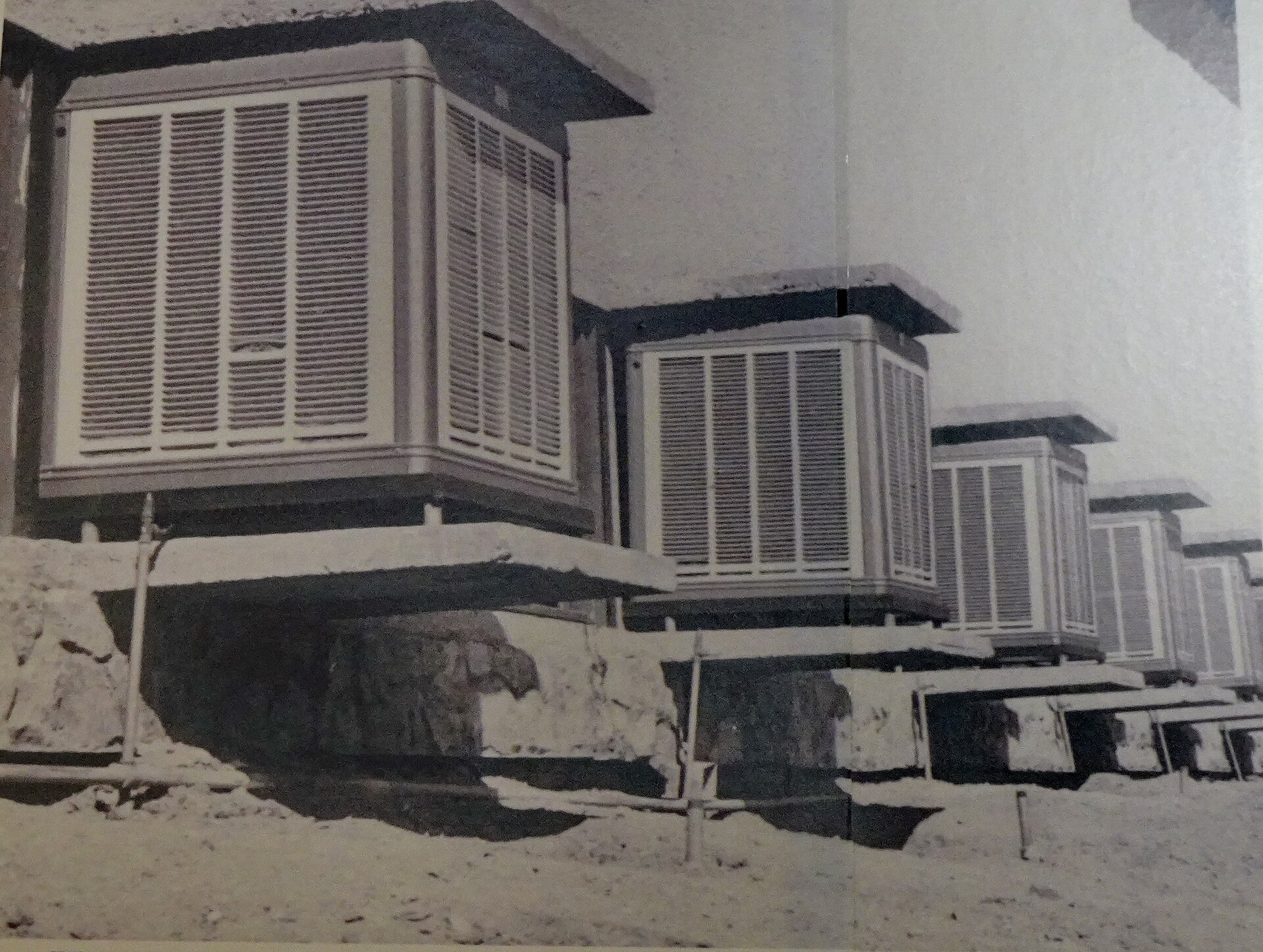
Running a Queensland cooler without lying to yourself
If you are inland, run the water on dry heat and treat storm afternoons as fan-only. Keep windows open so the moist air can leave. Service the pads before the first real heat, not after. Watch the bleed. Do not assume a coastal cousin's split-system advice applies to a Longreach roof, and do not assume a Longreach roof will save a Cairns flat.
If you are on the coast, be sceptical of any pitch that calls evaporative cooling "natural air conditioning" without mentioning wet-bulb temperature. The coast is not a failed version of the west. It is a different atmosphere. The right machine is the one that matches the air you actually have, not the air a catalogue photographed in South Australia.
Queensland's map is wide enough to hold both answers. The mistake is using one sentence for the lot.
Frequently asked
- Does evaporative cooling work in western Queensland?
- In Longreach, Roma and similar dry inland towns, yes, on the hot months that are not running a monsoon. The air is often dry enough for wet pads to drop the temperature in an open house.
- Can I use an evaporative cooler in Brisbane or Cairns?
- Rarely as whole-house cooling. Coastal humidity and the wet season keep the wet-bulb temperature high, so evaporation cannot do much work. A fan in a sealed Queenslander will mainly add moisture.
- What should I do in the wet season?
- Leave the water off. If you run the unit at all, use fan-only on a drier afternoon, and shut it down entirely when the air is already thick or the sky is full of smoke.
More from Climate
Climate · 26 May 2025
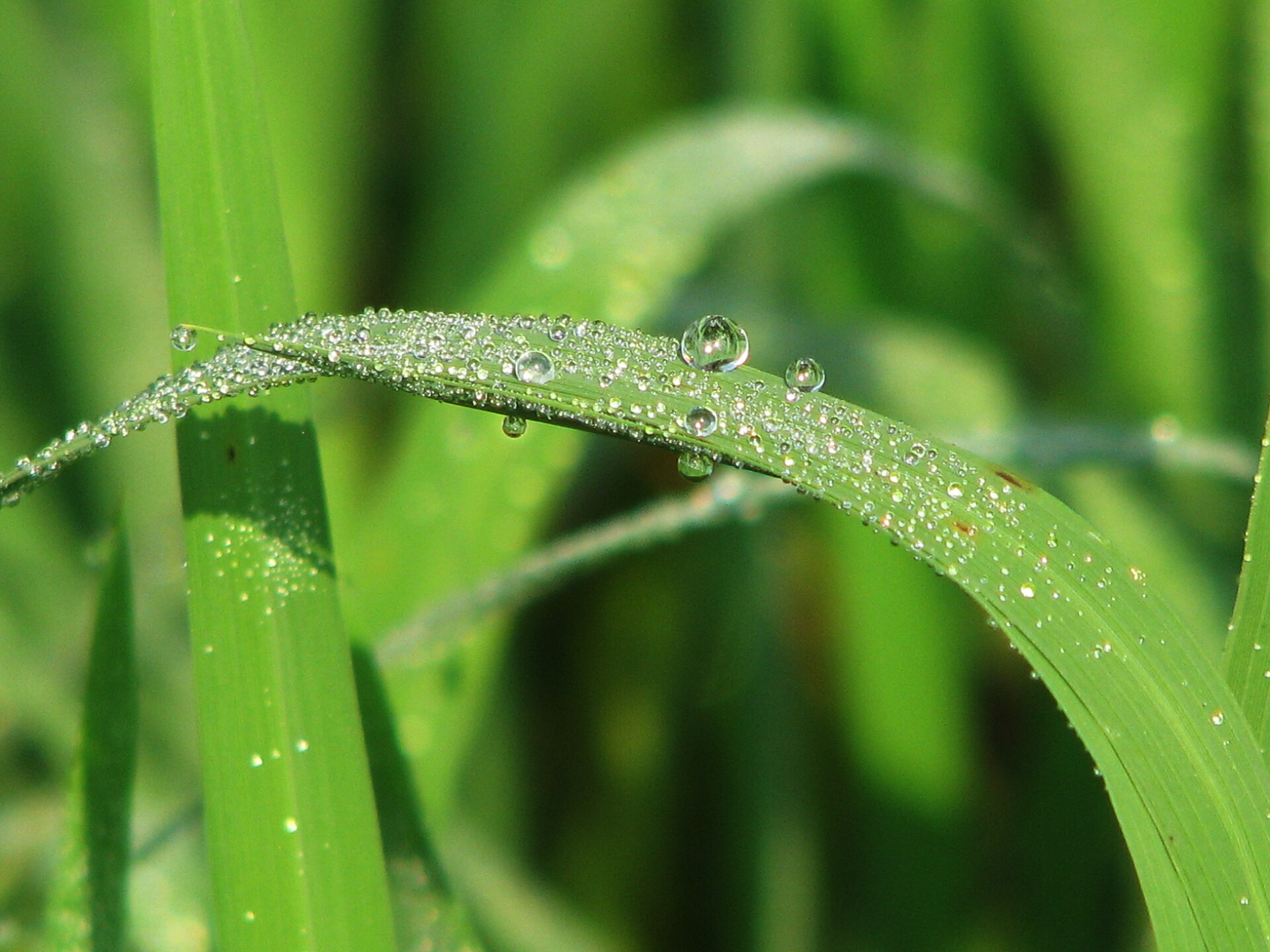
Humidity, wet-bulb temperature and fan-only mode
When outdoor air is already holding water, wet pads stop cooling and start humidifying. Kill the pump, feel the change, and wait out a storm-front afternoon.

Climate · 28 April 2025
Evaporative cooling in inland New South Wales
Why Dubbo, Wagga Wagga, Orange and Broken Hill still suit wet-pad cooling, and why the same machine is a poor match for Sydney humidity.
Climate · 14 April 2025
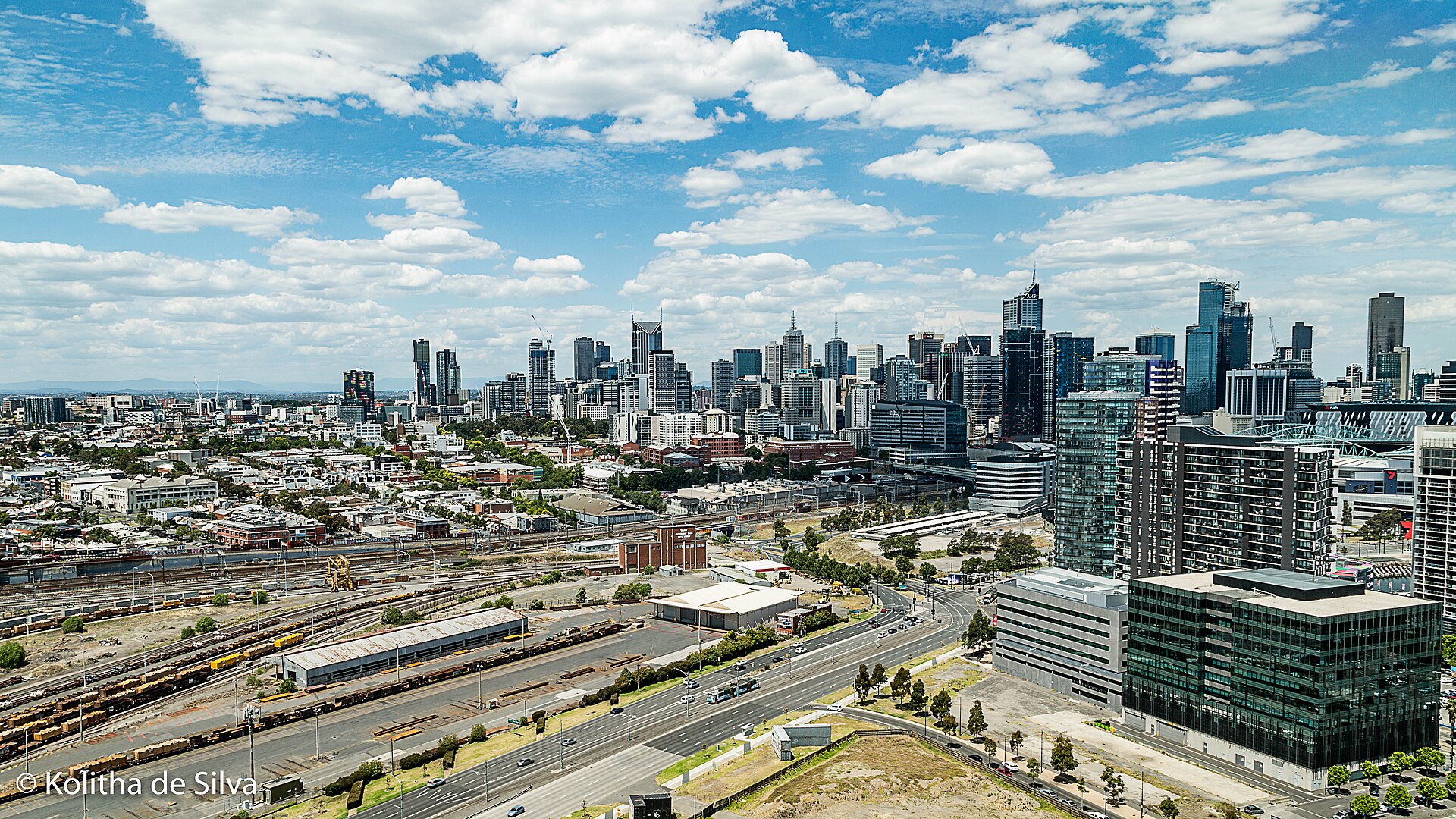
Evaporative cooling in Melbourne and inland Victoria
Melbourne’s climate is marginal for a wet pad; Shepparton, Mildura and Bendigo still use them because the inland northerly is a different air mass from a humid south-easterly on the bay.