Humidity, wet-bulb temperature and fan-only mode
When outdoor air is already holding water, wet pads stop cooling and start humidifying. Kill the pump, feel the change, and wait out a storm-front afternoon.
Published 26 May 2025 · Updated 3 February 2026
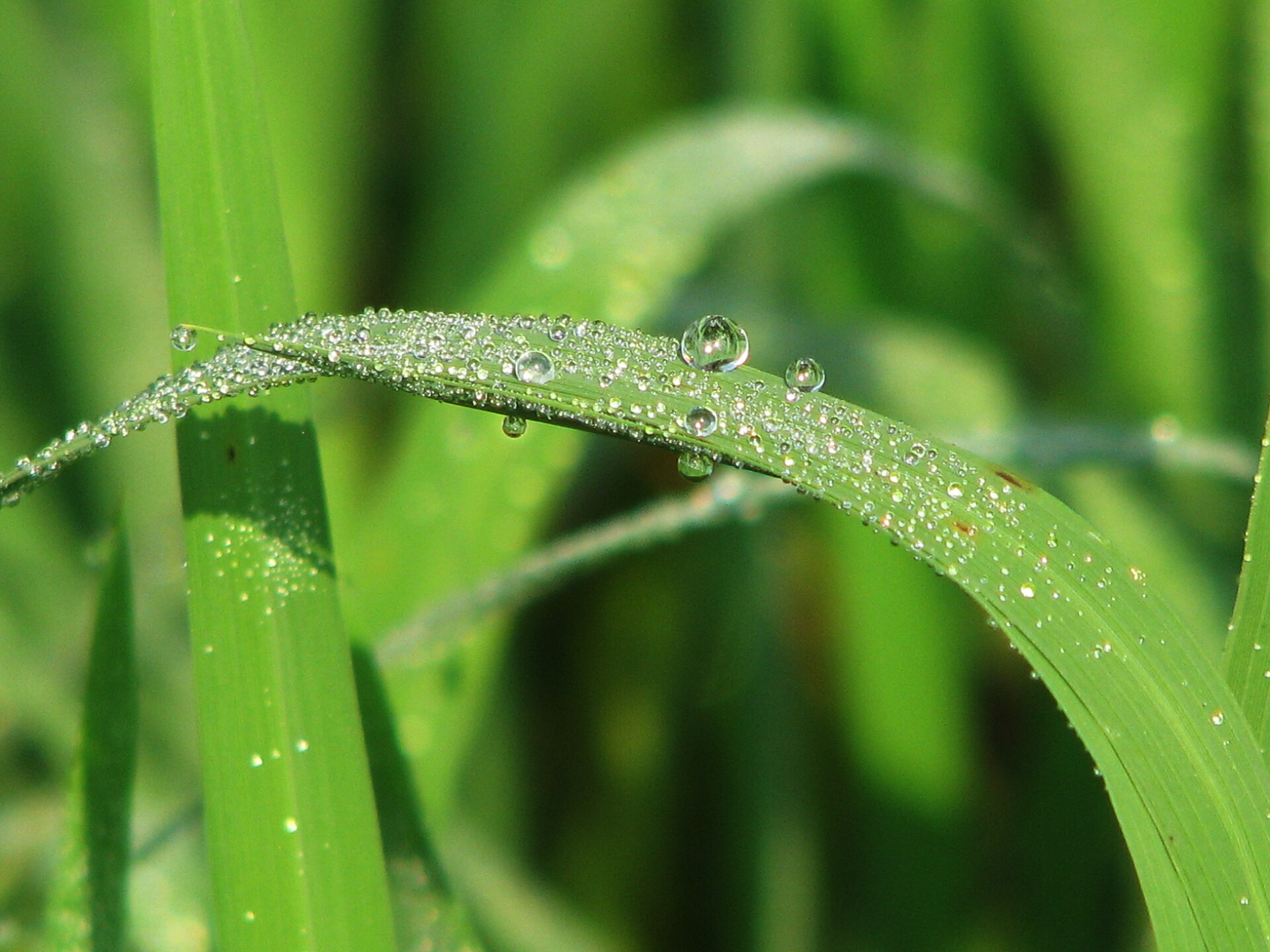
Fan-only is not a consolation setting. It is the correct use of an evaporative cooler on the afternoons when the air will not take more water. Households that leave the pump running through a humid change are not being cautious. They are humidifying a house that was already close to saturation, then blaming the machine for the clammy rooms that follow.
The cooler has two circuits that can be separated. The fan moves outdoor air through the cabinet and into the ducts. The pump wets the pads. Cooling happens only when that wetness evaporates and takes heat with it. How evaporative cooling works is that evaporation, not the sound of the fan. When outdoor humidity is high, evaporation slows or stalls. The fan can still be useful. The water usually is not.
Wet-bulb temperature without a lecture
Dry-bulb temperature is the number on the kitchen thermometer: how hot the air is. Wet-bulb temperature is how cold that air can get by evaporating water into it. A wet-pad cooler is trying to drive indoor air towards the wet-bulb. If the two numbers are far apart — hot, dry inland air — there is headroom, and you feel a real drop at the ceiling vent. If they sit close together — a humid coast, a storm-front afternoon, a monsoon — the pad has almost nothing left to evaporate into, and the air comes off the pad nearly as warm as it went on, only damper.
You do not need a sling psychrometer on the back step. You need to notice the days when your skin does not dry after you step out of the shade. That is the wet-bulb talking. Perth and Adelaide, inland Victoria, the New South Wales slopes and the Queensland west spend a lot of summer with useful separation between the two temperatures. Sydney, Brisbane, Cairns and Darwin in the wet season do not. The geography is the same split described for evaporative cooling in Perth against a humid coast: one climate feeds the pads, the other feeds mould.
A published water figure makes the same point from the other end. NSW Planning puts typical cooler use at about 10 to 30 litres an hour depending on size and humidity. On a dry scorcher the machine can drink at the top of that range, or well beyond it in a Perth-class heat, because evaporation is actually happening. On a humid afternoon the pads stay wet because the air will not take the water. You still pay for bleed-off. You do not get the cooling.
How to feel the change
The house will tell you before a weather app does, if you are paying attention. Air off a working cooler on a dry day is cool and slightly sweet, with a smell of wet timber or cellulose that fades once you are used to it. Air off a cooler that has lost its wet-bulb margin is warm, heavy, and a little stale, as if a bathroom fan had been left on after a shower. Stand under a ceiling vent. If your face does not register a drop, the water is not earning its place.
Storm-front afternoons are the classic trap. The sky darkens, the wind comes up, the dry-bulb may even fall a degree or two, and the humidity leaps. Households that have had the cooler roaring since noon leave it on, because the habit is "hot means cooler." The pad then loads the incoming air with moisture that cannot evaporate usefully. Rooms go close. Bedding feels damp. People shut the windows to keep the weather out, which is the second mistake: the moist air now has nowhere to leave.
The sequence that works is blunt. When the front is on the horizon or the air on the verandah has gone sticky, switch the pump off. Leave the fan on if the outdoor air is still moving and not cooler than you want. If the change is actually cold — a proper southerly, a temperature drop you can feel in the driveway — switch the whole unit off and open the house. Night air is still the cheapest cooling in the country.
When to kill the water
Kill the water when:
The outdoor air feels humid on the skin, even if the thermometer is still high. A storm cell is within an hour, or rain has already started. The house has stopped getting cooler after twenty minutes of wet-pad running. You can smell the pads more than you can feel the cold. Someone in the house is finding it harder to breathe in the damp, rather than easier in the moving air.
Do not wait for a round number on a humidity gauge if you do not have one you trust. Relative humidity figures from a cheap indoor sensor, sitting in a kitchen that the cooler is already moistening, will lie. Step outside. If your shirt does not dry, the pads are not going to do useful work.
Fan-only still requires an exhaust path. Windows and doors stay open so the air the fan is pushing has somewhere to go. A sealed room with a portable cooler on fan-only is just a fan in a box, and portables were only ever a tool for rooms up to about 25 square metres in dry weather. They do not become air conditioners because you switched the pump off.
What fan-only is not
It is not a way to run the cooler during bushfire smoke. The fan is an outdoor-air intake. Smoke, ash and the fine particles that make a sky brown will come through the pads and the ducts whether the water is on or not. Switch the system off, close the house, and follow local air-quality advice. A wet pad is not a respirator.
It is not a substitute for maintenance. If the pads are dry because the pump has failed, you are already in fan-only, and it will feel like a warm gale. That is a fault, not a humidity strategy. If the pads are clogged or glazed with scale, even a dry-bulb scorcher will underperform. Humidity is not the only reason a cooler feels weak. Replacing cooler pads and checking the pump belong in the same mental drawer as the fan-only switch.
It is not free in any serious sense, but it is cheaper than wet-pad running. The fan still draws power. The water meter stops. On a long humid spell that can be the difference between a modest electricity cost and a water cost you did not need. The running-cost ledger is where those two meters should be read together; fan-only is one of the few settings that lets you drop the expensive one.
Older ducted units often have a simple control: fan speed, pump on or off, maybe a dump cycle. There is no clever humidity lockout. The person in the hallway is the control. Newer wall controllers may offer a fan-only mode with a clearer label. Use it. Do not assume the machine will notice a storm.
Storms, coasts and the days in between
A single thunderstorm over the slopes is a two-hour problem. Kill the water, wait, then wet the pads again when the air dries — and inland air often does dry, fast, after a cell has moved on. A coastal summer is a months-long version of the same afternoon. In Sydney or Brisbane the wet-bulb can sit in the way from December to March. Fan-only then becomes the default, which is another way of saying the household bought the wrong kind of cooling for the climate.
The in-between days are where judgement lives. A Dubbo morning can be dry enough for full wet-pad running; by four o'clock a nor'easter has pushed moisture over the range and the vents feel warm. Switch then, not at bedtime. A Perth February can throw a humid Fremantle-doctor evening after a cracking dry day. The same rule applies: the pump follows the air, not the clock.
You will not get this perfect. You will get it close enough that the house stays liveable and the pads are not asked to humidify a closed lounge. That is the whole skill. Wet-bulb is not an exam topic. It is the reason the water switch exists.
Frequently asked
- When should I switch an evaporative cooler to fan-only?
- When the outdoor air feels sticky, a storm is building, or the house stops getting cooler even though the pads are wet. Turn the water off and let the fan move air, or shut the system down if the change is actually cool.
- What is wet-bulb temperature in plain language?
- It is the temperature air can reach if you evaporate water into it. The closer dry-bulb and wet-bulb sit, the less cooling a wet pad can do. High humidity means a high wet-bulb and a weak cooler.
- Why do rooms feel clammy on a humid afternoon?
- The cooler is still adding moisture, but evaporation is no longer absorbing much heat. If windows are shut, that moisture stays indoors and the house becomes a warm, damp box.
More from Climate
Climate · 12 May 2025
Evaporative cooling in Queensland: dry inland versus the coast
Longreach, Roma and Toowoomba can still justify a wet-pad cooler. Brisbane, Cairns and the wet-season coast generally cannot.

Climate · 28 April 2025
Evaporative cooling in inland New South Wales
Why Dubbo, Wagga Wagga, Orange and Broken Hill still suit wet-pad cooling, and why the same machine is a poor match for Sydney humidity.

Climate · 14 April 2025
Evaporative cooling in Melbourne and inland Victoria
Melbourne’s climate is marginal for a wet pad; Shepparton, Mildura and Bendigo still use them because the inland northerly is a different air mass from a humid south-easterly on the bay.